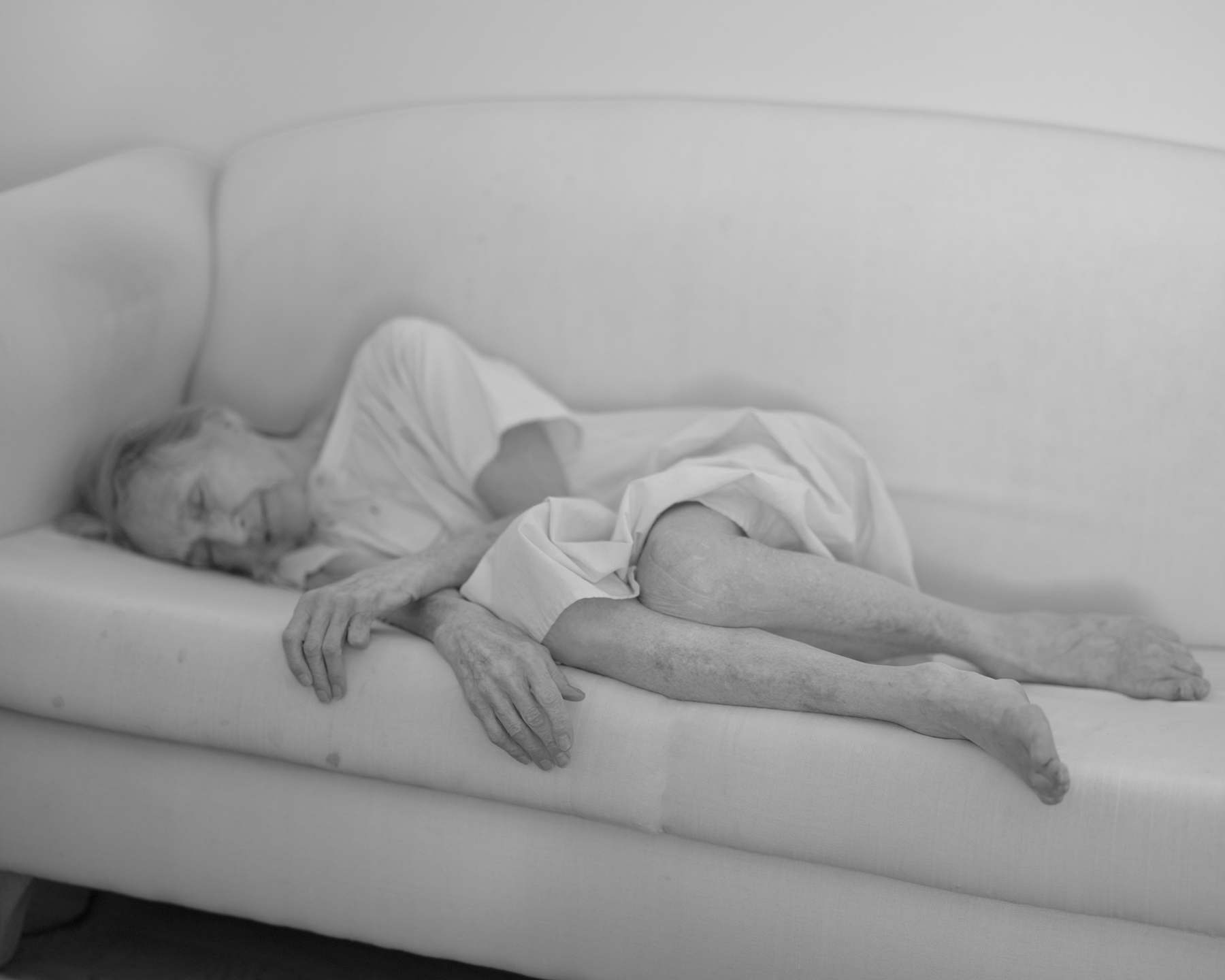
Ruth Lauer Manenti, 4 Sides of The Table, 2022-2024
EN ⭢ FR
Grand’Rue Library, Mulhouse
June 5 - July 4
Tuesday through Friday from 10 a.m. to 12 a.m. and from 1:30 p.m. to 6:30 p.m., Saturday from 10 a.m. to 5:30 p.m.
Opening on saturday June 6 at 5 p.m.
Curators : Bénédicte Blondeau, Anne Immelé
For their second collaboration, following an international open call, PEP – Photographic Exploration Project and the BPM - Biennale de la Photographie de Mulhouse present a group exhibition centered on the concept of sedimentation(s), linking time, memory, and accumulation—whether social, natural, or personal. The 22 selected artists explore the layering of strata in unique ways—whether human, geological, biological, or emotional traces—revealing how this process shapes our perception of places, bodies, and lived experiences.
In the social and urban sphere, Elsa Beaumont documents the vulnerable lives and social history of a shelter, where tensions between the interior and exterior build up, leaving behind sensitive human layers in her images. Julie Rochereau focuses on the entropic sedimentation of a landscape, using fragile and experimental images to capture the transformation of a forested wasteland in Romainville, where natural layers and human interventions overlap and fade away. Anne Mocaër, for her part, explores the superimposition of ruins, memories, and urban projects in a neighborhood of Casablanca on the verge of disappearing, revealing through photography the material and emotional traces of a community in transition.
Jess Gough explores matter and extraction in limestone quarries, amidst fossils, human traces, and natural accumulations. Fernande Petitdemange photographs historical fossils to reveal the strata of time within mineral matter, while Chiara Goia superimposes archival images and contemporary landscapes in Carrara to uncover the layered memory of marble extraction and its communities.
Marjolein Blom examines cultural memory and archives by documenting the disappearance of a bookstore and the accumulated fragments of books and papers, materializing the stratification of places.
The intimate and the layers of family trauma form another axis of sedimentation. Sue-Élie Andrade-De transforms the loss of a pregnancy into visual and performative layers, similar to the slow formation of mountains. Yuki Furusawa photographs her grandmother’s house before its demolition, revealing how objects and spaces accumulate memories and intergenerational bonds. Susann Carmen Jagodzińska traces memory and trauma across three generations, where past, present, and future intertwine in the body and consciousness. Ruth Lauer Manenti, meanwhile, documents grief and familial transmission, reassembling visual fragments to prolong the presence of those who have passed.
Other artists connect family to landscape and geology. Alyssa Warren layers family memory, natural landscape, and analog processes to shape sensitive narratives and identities. Zach Knott connects geology and family heritage in the Mendip Hills, where natural and personal strata intersect. Artur Leão maps subterranean strata and ancestral sites to explore trauma and mystical intuitions. Theo Zeal layers memories, reconstructed landscapes, and material traces to create a tactile narrative about memory and illness, while Ella Bryant materializes fragile psychological states as strata on photographic paper. In her work, Ali Uchida explores Tsushima Island, where buried memories settle in the mountains, the sea, the paths, and the houses, forming thin layers of light that slowly slip into the unconscious.
Geology as human memory is a central theme in Sergio Lovati’s work, where mountains and fissures become palimpsests of time and transformation. Jessica Lennan superimposes rock strata and traces of pigment to create a dialogue between landscape and perception. Angela Tozzi, meanwhile, documents the melting of the Rhône Glacier, where layers of ice, scars, and human interventions become symbols of memory and resistance in the face of climate change.
In marine environments, Yvette Monahan demonstrates how fish bodies accumulate memory and ecological conditions, while Sarah Braeck brings to light the carbon cycles sequestered by brown algae, layering scientific and gestural elements to reveal the memory and transformation of ecosystems.
Through these different approaches, sedimentation unfolds as a poetic and conceptual tool for thinking about accumulation, erasure, and continuity, revealing the layers that make up our world—whether human, natural, or emotional.
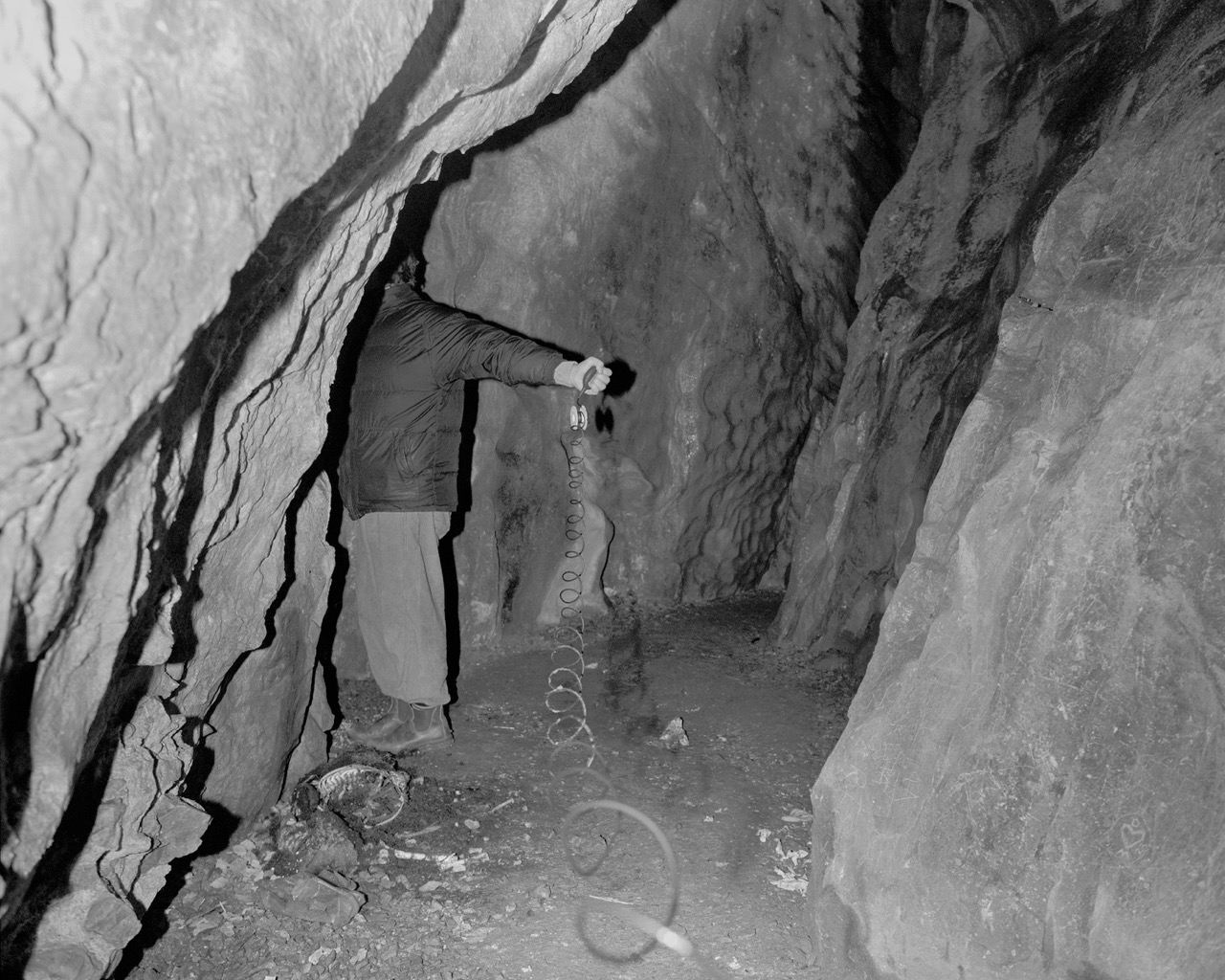 Zach Knott, The Rule Of Three, 2024 - en cours
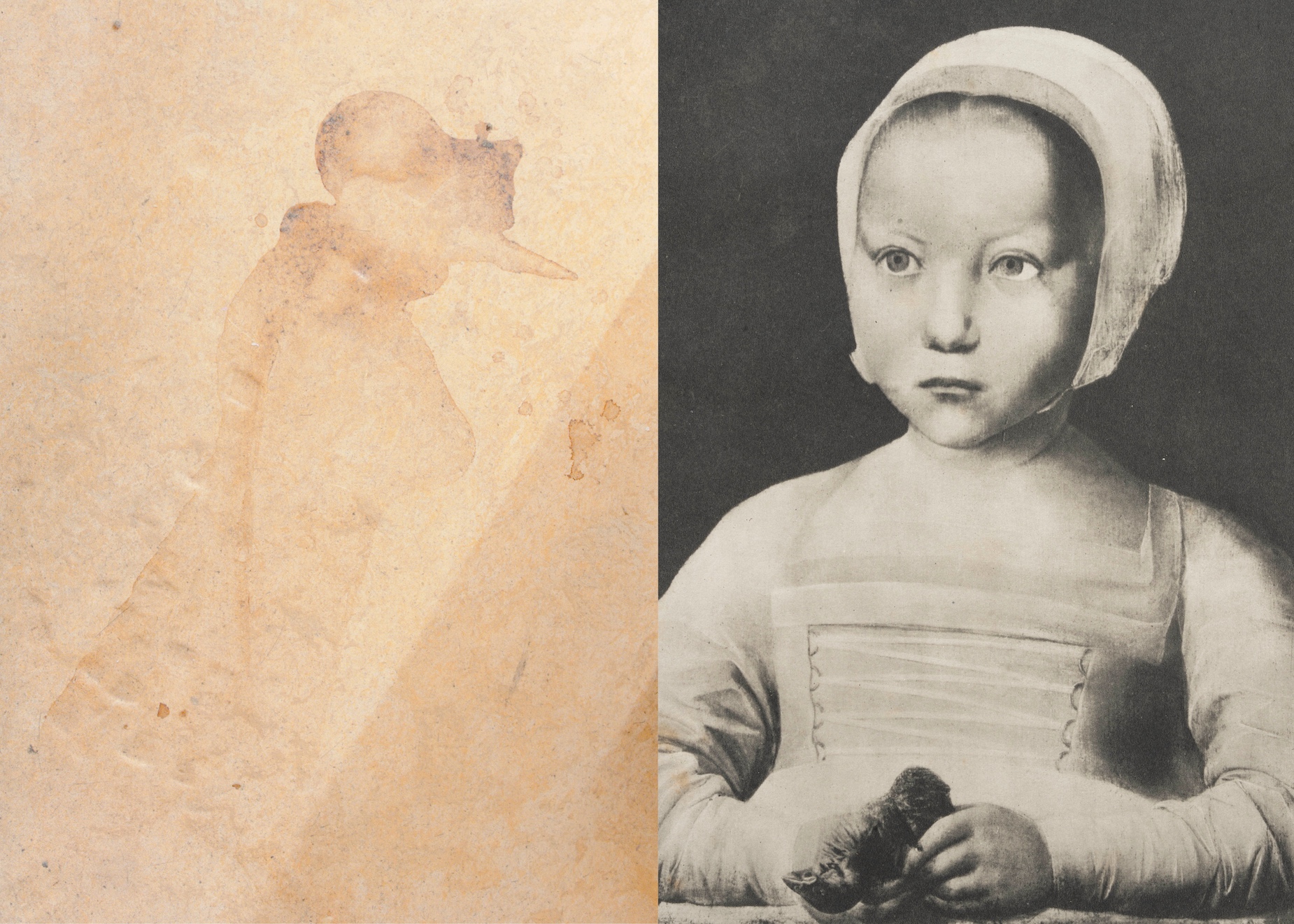
Marjolein Blom, Shelves, 2024